The prostate is a small, walnut-sized gland that is part of the male reproductive system. It plays a critical role in male fertility, and its health is essential for overall well-being. This article delves into the anatomy, function, and common health issues related to the prostate, supported by scientific research.
What is the Prostate?
The prostate is a gland in the male reproductive system. It is about the size of a walnut and is located just below the bladder and in front of the rectum. The urethra, the tube that carries urine from the bladder out of the body, runs through the center of the prostate. The main role of the prostate is to produce a fluid that, together with sperm cells from the testicles and fluids from other glands, makes up semen.
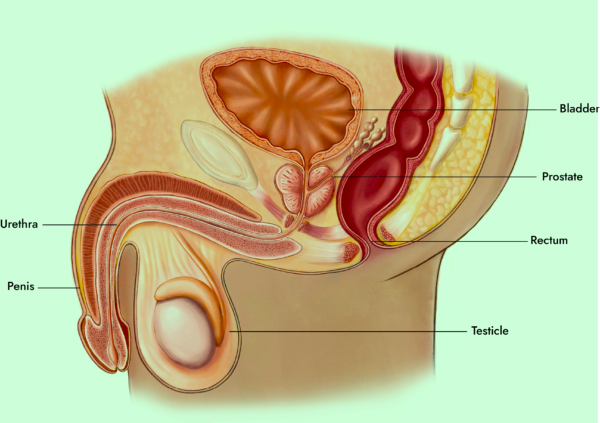
Anatomy of the Prostate
The prostate is composed of several zones, each with distinct functions:
- Peripheral Zone (PZ): This is the largest zone and the most common site for prostate cancer.
- Central Zone (CZ): Surrounds the ejaculatory ducts and is less prone to disease.
- Transitional Zone (TZ): Surrounds the urethra and is where benign prostatic hyperplasia (BPH) typically occurs.
Functions of the Prostate
The primary function of the prostate is to produce seminal fluid, a component of semen that nourishes and transports sperm. The prostate secretes a slightly alkaline fluid that constitutes about 30% of the total semen volume. This fluid enhances sperm motility and longevity, increasing the chances of successful fertilization.
Common Prostate Conditions
- Benign Prostatic Hyperplasia (BPH):
- BPH is a non-cancerous enlargement of the prostate gland. It is prevalent in older men and can cause urinary symptoms such as difficulty starting urination, weak urine stream, and frequent urination at night.
- Prostatitis:
- Prostatitis is inflammation of the prostate gland, which can be acute or chronic. Symptoms include pelvic pain, difficulty urinating, and flu-like symptoms in acute cases.
- Prostate Cancer:
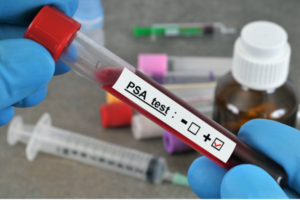
- Prostate cancer is the second most common cancer in men worldwide. Risk factors include age, family history, and race. Early detection through prostate-specific antigen (PSA) testing and digital rectal exams (DRE) can improve outcomes.
Prostate Health and Prevention
Maintaining prostate health involves regular medical check-ups, a healthy diet, and lifestyle modifications. Diets rich in fruits, vegetables, and healthy fats, along with regular physical activity, may reduce the risk of prostate problems. Additionally, avoiding smoking and limiting alcohol consumption can contribute to overall prostate health.
Conclusion
Understanding the prostate and its functions is essential for recognizing and managing potential health issues. Regular screenings and a healthy lifestyle can significantly impact prostate health and reduce the risk of complications. Awareness and education are key to ensuring the well-being of the male reproductive system.
References
- Roehrborn, C. G. (2008). Benign prostatic hyperplasia: an overview. Reviews in Urology, 10(Suppl 1), S3–S14.
- Collins, M. M., & Meigs, J. B. (1999). Prevalence and risk factors for prostatitis. JAMA, 281(3), 307-312.
- Siegel, R. L., Miller, K. D., & Jemal, A. (2020). Cancer statistics, 2020. CA: A Cancer Journal for Clinicians, 70(1), 7-30.